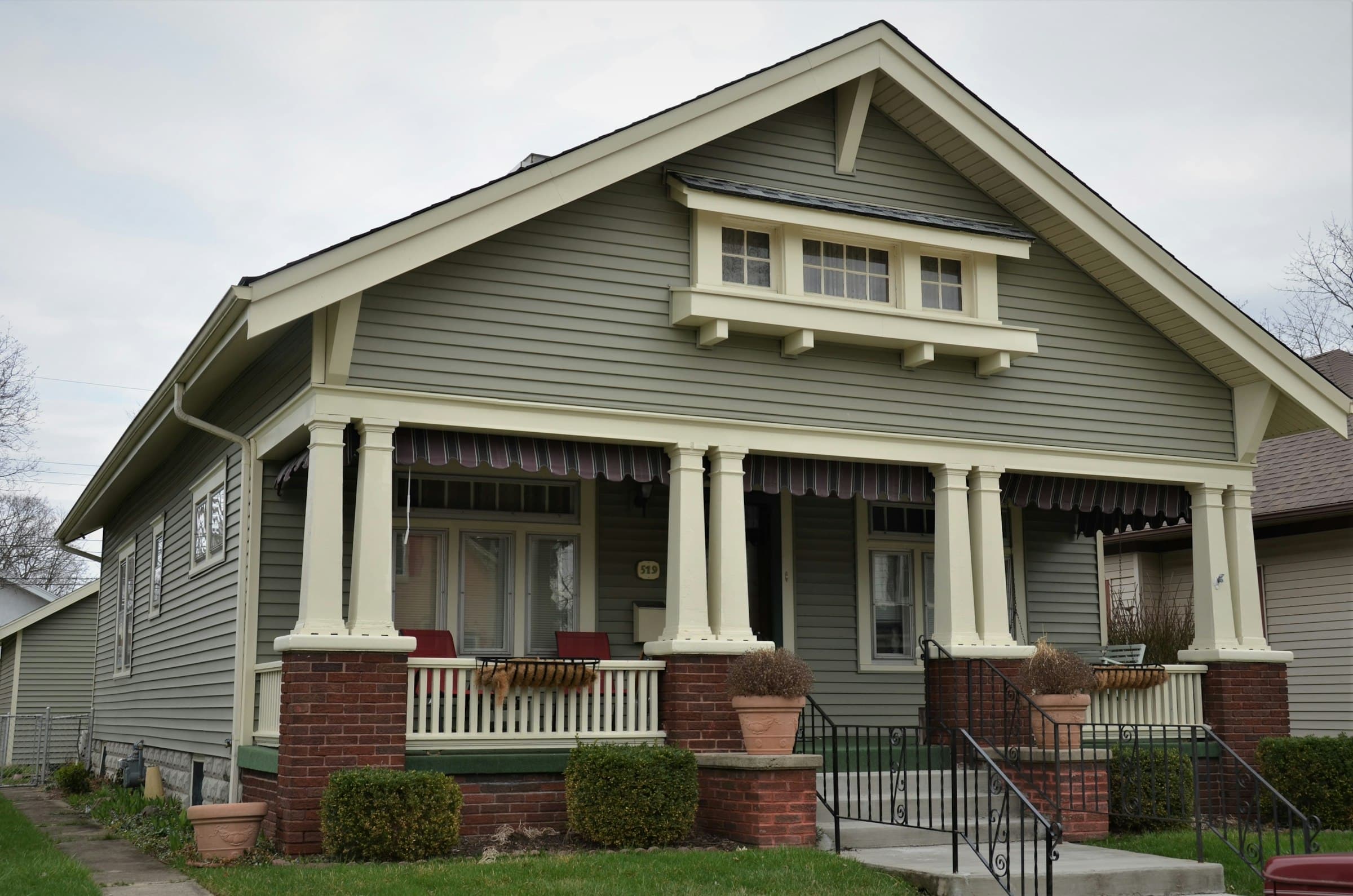
Inherited & probate homes — Alameda County
Sell an inherited house
just as it was left.
No cleanout, no repairs, no showings while you’re settling an estate. A written cash offer within 24 hours, and a closing timed around probate or the trust.
About a minute · No obligation · Or call (510) 706-7203
What to know
An inherited house comes with decisions. Selling it can be the simple one.
Inheriting a home usually comes at a hard time, and it arrives with work attached: a house full of belongings, repairs nobody kept up with, property taxes and insurance to pay, and relatives who may not agree on what to do. If you live far away, even checking on the place is a chore.
We buy inherited houses across Alameda County as they are. Take what matters to the family and leave the rest. There’s nothing to fix or stage, and no stream of strangers walking through a parent’s home.
Do you need probate before you can sell?
It depends on how the house was held. If it was in a living trust, the successor trustee can usually sell it without going to court. If it was owned jointly with a right of survivorship, or passed by a transfer-on-death deed, it generally goes to the new owner outside probate, after some paperwork with the county recorder.
Otherwise the estate usually goes through probate, and only the court-appointed executor or administrator can sign a sale. For deaths on or after April 1, 2025, California also has a simpler court petition for passing a primary home worth up to $750,000 to heirs (the limit adjusts for inflation every three years), so ask your attorney whether it fits. You don’t need probate finished to talk to us: we can make an offer now and close once someone has the authority to sign.
How a sale works during probate
Many California executors are granted “full authority” under the Independent Administration of Estates Act. With it, they can sell the house without a court hearing: they send the heirs a Notice of Proposed Action, wait at least 15 days for objections, and close. If an heir objects, the sale goes to the court instead. With limited authority, a judge has to confirm the sale at a hearing, where other buyers can show up and overbid.
Either path works with a cash buyer. Our offer doesn’t depend on a lender or an appraisal, so it holds steady through the notice period or the court calendar. The proceeds go to the estate, to be distributed under the will, the trust or state law.
Taxes worth asking about first
Two rules shape the math for most heirs. Inherited property generally gets a “stepped-up” tax basis equal to its value on the date of death, so selling soon after can mean little or no capital gains tax. And under Proposition 19, a child who inherits a parent’s home keeps the parent’s property-tax assessment only if they make it their own primary residence within a year, and even then, value more than about $1 million above that assessment is added to the tax bill. Otherwise the county reassesses the house to market value.
So keeping an inherited house as a rental, or holding it empty, can bring a much larger property-tax bill than the family is used to. A CPA or estate attorney can run the numbers; a written offer from us gives you a firm figure to compare against.
When the family doesn’t agree
Siblings often see an inherited house differently: one wants to keep it, one needs the money now, one lives out of state. A written cash offer gives everyone the same real number to talk about, instead of guesses about what the house might bring after repairs. If one heir wants to keep it, the number can anchor a buyout. If you sell, the title company pays out the proceeds at closing to the estate, the trust or the co-owners.
General information about California rules as of October 2026, not legal, tax or financial advice. Laws change and every situation is different, so check the details with an attorney, CPA or housing counselor.

How it works
Inherited house: how the sale works.
Tell us about the house
The address and what you know about its condition. Probate doesn’t need to be open, and you don’t need to have been inside recently.
Get a written cash offer
Usually within 24 hours: one real number the executor or trustee and the heirs can all look at.
The executor or trustee signs
With full authority or a trust, that’s usually it. With limited authority, we wait for the court to confirm the sale.
Close at a title company
On the date you choose. Take what matters to the family and leave the rest; the proceeds go to the estate or trust.
Why sell to us
A direct cash sale vs. listing with an agent
| Feature | EZ Home Offer | Listing with an agent |
|---|---|---|
| Commissions & fees | None | Often around 5% of the price |
| Repairs & cleaning | None, sell as-is | Often required |
| Showings & open houses | None | Many |
| Time to close | As little as 3 days | Often 60–90+ days |
| Closing date | You choose | Buyer’s schedule |
| Financing fall-through | Low risk, cash offer | Common |
Common questions
Inherited house: your questions, answered.
Can I sell an inherited house before probate is finished?
Yes, once the court has appointed you executor or administrator; you don’t have to wait for the whole estate to close. If the house is in a living trust, the successor trustee can usually sell without probate at all. Until someone has authority to sign, we can still make an offer so the family knows where it stands.
Do we have to clean out the house first?
No. Take the photos, furniture and keepsakes you want and leave everything else. We handle the cleanout after closing.
What if there’s still a mortgage or a reverse mortgage?
It’s paid off from the sale at closing, like in any other sale, and the estate receives what’s left. With a reverse mortgage, the lender will expect to hear from the family soon after the death, and selling the house is one of the standard ways to repay it.
Will we owe capital gains tax?
Often less than people expect. Inherited property generally takes a tax basis equal to its value when the owner died, so any gain is measured from there. Everyone’s situation differs, so confirm with a CPA before you sell.
One of the heirs lives in the house. Can we still sell?
Usually, yes, but everyone needs a plan for when they’ll move out. We can set a later closing date to give them time. If there’s a dispute, the executor’s attorney can explain the options.
Do I have to fill out disclosure forms for a house I never lived in?
Executors, administrators and trustees selling while they administer an estate or trust are generally exempt from California’s standard Transfer Disclosure Statement. You still share anything you actually know about the house, like a roof that leaks. We expect surprises in an inherited house and buy it as-is.
How do you determine your offer?
We look at the property’s condition, the repairs it needs, and recent comparable sales nearby. We walk you through how we got to the number, with no pressure to accept.
Are there any fees or commissions?
No. You won’t pay agent commissions or pay us any fees. We cover typical closing costs, so the offer you accept is what you can expect to walk away with, minus any existing liens or mortgage payoff.
Are you real estate agents?
No. We’re real estate investors, not licensed agents or brokers, and we don’t list homes. We may buy your property directly or assign our purchase contract to another investor buyer. We’ll always tell you exactly how the deal is structured.
Other situations
Whatever’s going on, we can help.
- Facing foreclosureHow it works →
- DivorceHow it works →
- Rental with tenantsHow it works →
- Fire damageHow it works →
- Major repairsHow it works →
- Vacant houseHow it works →
- Code violationsHow it works →
- RelocatingHow it works →
- DownsizingHow it works →
- Assisted livingHow it works →
- Hoarder houseHow it works →
- Selling as-isHow it works →
The direct line